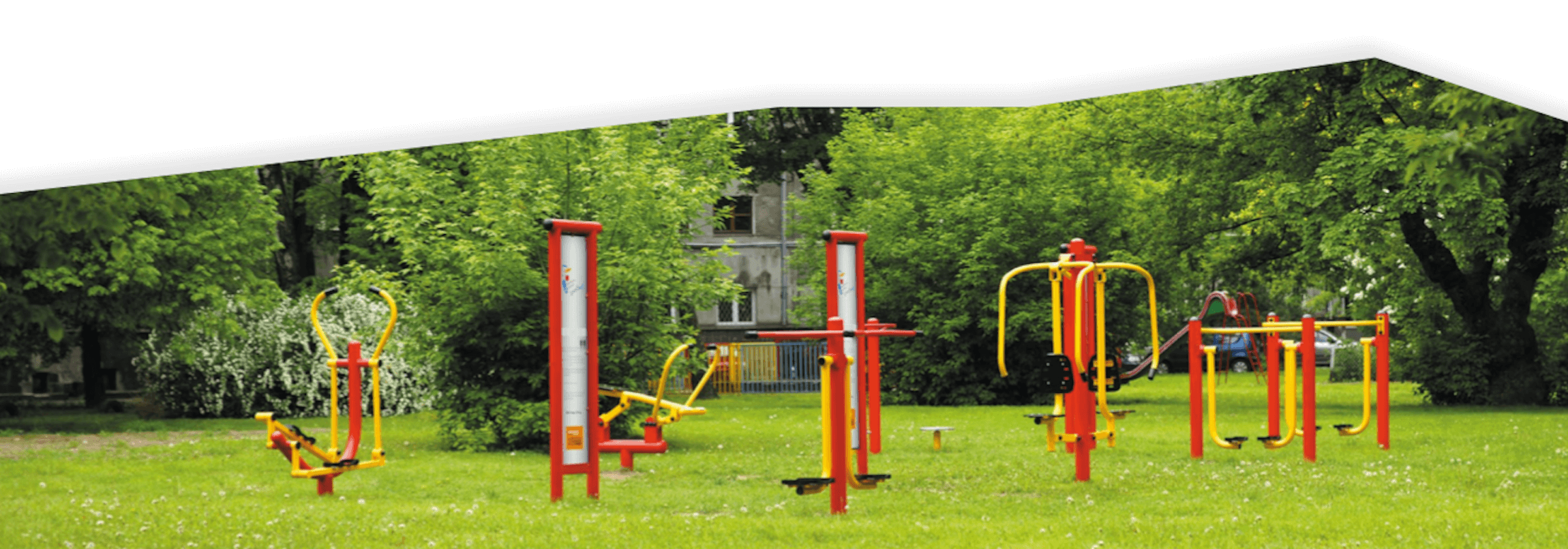





BODY WORKS OUTDOOR FITNESS to firma z wieloletnim doświadczeniem specjalizująca się w produkcji profesjonalnego sprzętu siłowni zewnętrznych i stacji do street workout.
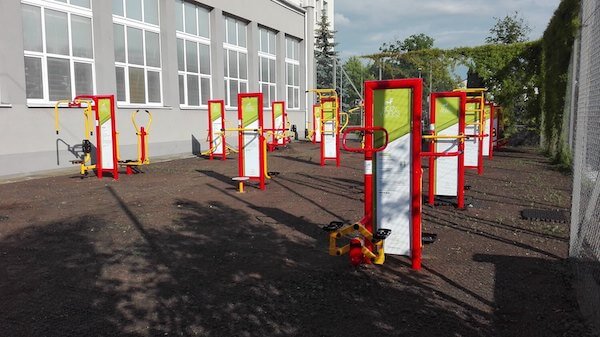
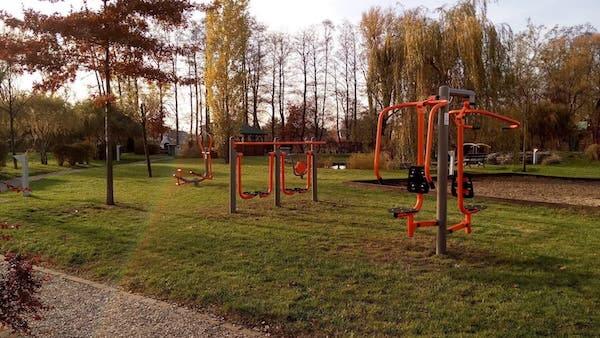
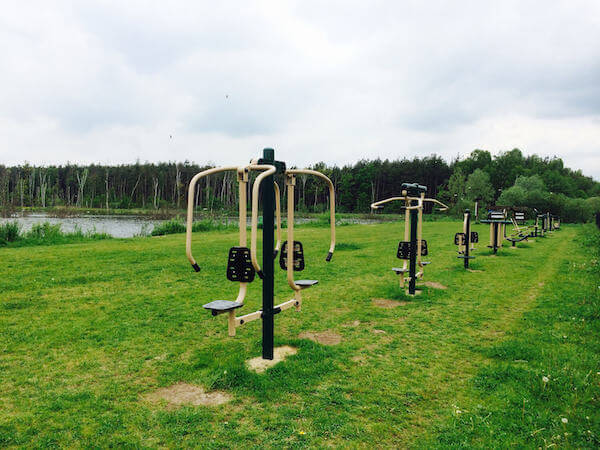
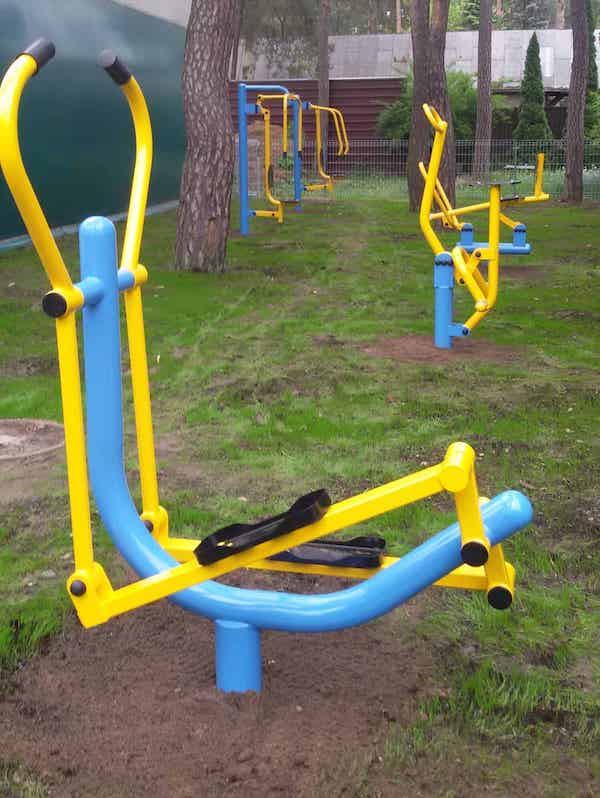
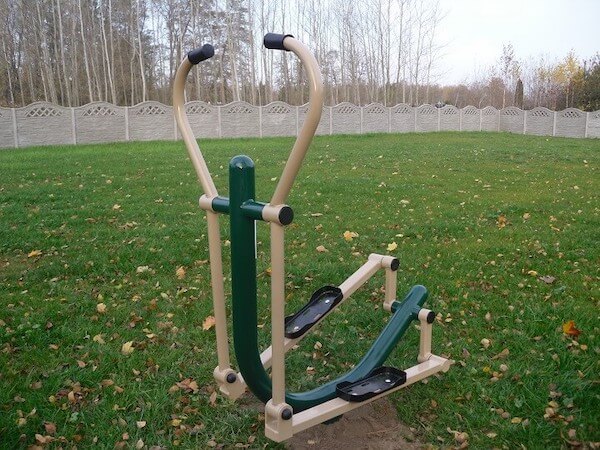
Coraz więcej polskich miast, wsi i gmin może pochwalić się przynajmniej jedną siłownią plenerowa zewnętrzną. To doskonała inwestycja, oznaka prężnego rozwoju regionu i dowód dbałości o poprawę jakości życia jego mieszkańców. Dzięki Body Works Outdoor Fitness siłownia plenerowa przestaje się kojarzyć z dusznym i zatłoczoną przestrzenią do ćwiczeń, przenosimy aktywność fizyczną na świeże powietrze, aktywizujemy lokalne społeczności.Siłownia zewnętrzna jest atrakcyjnym, ogólnodostępnym i bezpiecznym miejscem (urządzenia posiadają normy bezpieczeństwa wymagane dla tego typu sprzętu), które chętnie odwiedzają osoby w każdym wieku. Przyrządy do ćwiczeń są łatwe w samodzielnej obsłudze, mogą z nich korzystać zarówno stali bywalcy tradycyjnych siłowni, jak i osoby, które z podobnym sprzętem nigdy wcześniej się nie zetknęły.
Cómo Casizoid España Analiza la Historia de Casinos Online
The online casino industry has undergone one of the most dramatic transformations in the history of entertainment and digital commerce. From rudimentary software platforms operating in regulatory grey zones during the mid-1990s to sophisticated, multi-billion-dollar ecosystems governed by complex licensing frameworks, the journey of online gambling is both fascinating and instructive. Understanding this evolution requires more than a surface-level glance at technological milestones — it demands a careful examination of regulatory shifts, cultural attitudes, economic pressures, and the role that analytical platforms play in contextualizing this history for modern audiences. In Spain, where gambling has deep cultural roots and a well-developed regulatory infrastructure, platforms dedicated to historical and analytical coverage of online casinos serve an increasingly important educational function for players, researchers, and industry observers alike.
The Origins and Early Development of Online Casinos
The story of online casinos begins in 1994, when the Caribbean nation of Antigua and Barbuda passed the Free Trade and Processing Act, which allowed licenses to be granted to companies wishing to open online casinos. This legislative milestone created the first formal regulatory framework for digital gambling and set the stage for what would become a global industry. Microgaming, a software company based on the Isle of Man, is widely credited with developing the first functional online casino software in 1994, and within a year, the first real-money transactions were being processed through online platforms.
By 1996, there were approximately 15 online gambling websites in existence. By 1997, that number had grown to over 200. The exponential growth continued throughout the late 1990s as internet penetration expanded across Europe and North America. Early platforms were technically limited — graphics were basic, game variety was narrow, and security protocols were rudimentary by contemporary standards. Nevertheless, the fundamental appeal was undeniable: players could access casino-style games from the comfort of their homes without traveling to physical establishments.
The introduction of secure socket layer (SSL) encryption technology during this period was critical in building consumer trust. Payment processors began developing dedicated solutions for online gambling transactions, and software developers competed to produce increasingly sophisticated game engines. Slot machines, blackjack, roulette, and video poker formed the core catalog of early online casinos, mirroring the offerings of their land-based counterparts while gradually introducing formats that were uniquely suited to the digital medium.
Regulatory Evolution and the Spanish Market
Spain’s relationship with gambling regulation has been shaped by decades of legislative evolution. Prior to the digital era, gambling in Spain was governed primarily by laws dating back to the 1970s and 1980s, which addressed land-based casinos, bingo halls, and slot machine arcades. The arrival of the internet created an urgent need for updated frameworks that could address the specific characteristics of online gambling, including cross-border accessibility, anonymity, and the speed of transactions.
The pivotal moment for Spain came in 2011 with the passage of Law 13/2011 on the Regulation of Gambling, which established the Dirección General de Ordenación del Juego (DGOJ) as the primary regulatory authority for online gambling at the national level. This legislation created a licensing system that required operators to meet strict criteria related to technical security, responsible gambling measures, anti-money laundering protocols, and consumer protection standards. Spain became one of the first European countries to implement a comprehensive national framework specifically designed for online gambling, positioning itself as a model for regulated markets.
The Spanish regulatory environment has continued to evolve since 2011, with successive reforms addressing issues such as advertising restrictions, bonus limitations, and enhanced player verification requirements. These changes reflect broader European trends toward stricter consumer protection and reflect the Spanish government’s attempt to balance revenue generation with social responsibility. For platforms and analysts studying this history, the Spanish case offers a particularly rich example of how regulatory frameworks adapt in response to technological change and social pressure.
Analytical platforms that examine the Spanish online casino landscape play a significant role in making this complex regulatory history accessible to general audiences. Resources such as https://casizoid.org/es/, which focuses specifically on the Spanish market, provide structured overviews of how the industry has developed within Spain’s unique legal and cultural context, helping readers understand not just which casinos operate legally but why the current landscape looks the way it does. This kind of historically informed analysis is valuable for anyone seeking to understand the present state of online gambling in Spain.
Technological Milestones and the Transformation of Player Experience
Technology has been the primary driver of change in the online casino industry, and each successive wave of innovation has fundamentally altered the player experience. The transition from downloadable casino clients to browser-based platforms in the early 2000s removed a significant barrier to entry, allowing players to access games without installing dedicated software. Flash technology enabled richer graphics and more complex game mechanics, though it also introduced security vulnerabilities that would eventually lead to its abandonment.
The introduction of live dealer games around 2006 represented perhaps the most significant experiential shift in online casino history. By streaming real dealers operating physical equipment from purpose-built studios, operators bridged the gap between the convenience of online play and the social atmosphere of land-based casinos. Companies such as Evolution Gaming, founded in 2006, built entire business models around live dealer technology and have since grown into industry giants with market capitalizations in the billions of euros.
The smartphone revolution transformed the industry once again beginning around 2010. Mobile gambling required operators to redesign their platforms for smaller screens, touch interfaces, and variable network conditions. HTML5 technology, which replaced Flash as the dominant web standard, was instrumental in enabling seamless cross-platform compatibility. By the mid-2010s, mobile gambling accounted for a growing majority of online casino revenue in most regulated markets, including Spain, where smartphone adoption rates are among the highest in Europe.
Random number generator (RNG) technology has also undergone significant scrutiny and refinement over the decades. Early concerns about the fairness and transparency of digital games led to the development of independent testing laboratories such as eCOGRA, founded in 2003, which certify that casino software meets established standards for randomness and payout accuracy. In Spain, the DGOJ requires that all licensed operators use certified RNG systems, and regular audits are conducted to ensure ongoing compliance. This infrastructure of technical oversight has been essential in establishing and maintaining player trust in regulated markets.
Historical Analysis as an Educational Tool for Spanish Players
Understanding the history of online casinos is not merely an academic exercise — it has practical implications for players navigating the current market. Knowledge of how the industry evolved helps players recognize the significance of licensing requirements, understand why certain consumer protections exist, and make more informed decisions about which platforms to trust. Historical context also illuminates the origins of common industry practices, from welcome bonuses and loyalty programs to responsible gambling tools such as deposit limits and self-exclusion mechanisms.
In Spain, the culture of gambling analysis and historical documentation has grown alongside the regulated market itself. Casizoid España represents a strand of this analytical tradition that emphasizes depth and historical grounding over superficial reviews. By tracing the development of specific casino operators, examining how regulatory changes have affected the market, and contextualizing Spanish online gambling within broader European trends, such platforms contribute to a more informed player base. The distinction between operators licensed before and after major regulatory reforms, for example, carries real implications for consumer protection standards and the availability of dispute resolution mechanisms.
The history of payment methods in online casinos also deserves attention within this analytical framework. Early platforms relied heavily on credit cards and bank transfers, but the emergence of e-wallets such as PayPal, Neteller, and Skrill in the early 2000s gave players faster, more discreet payment options. More recently, cryptocurrency has entered the conversation, though its adoption in regulated Spanish-market casinos remains limited due to regulatory constraints around traceability and anti-money laundering compliance. Each shift in payment infrastructure reflects broader changes in the financial technology landscape and carries implications for player security and convenience.
Responsible gambling has emerged as one of the most important historical narratives within the online casino industry. Early platforms largely operated without meaningful safeguards, and the social costs of problem gambling were not systematically addressed until regulatory frameworks began mandating specific interventions. Spain’s current requirements for self-exclusion registries, mandatory responsible gambling information, and advertising restrictions represent the accumulated lessons of decades of industry development and advocacy by public health researchers and consumer protection organizations.
Conclusion
The history of online casinos is a story of rapid technological innovation, evolving regulatory philosophy, and shifting cultural attitudes toward digital entertainment. Spain’s experience within this broader narrative is particularly instructive, offering a detailed case study of how a mature gambling culture adapted to the digital age through thoughtful legislation and ongoing regulatory refinement. Platforms like Casizoid España contribute meaningfully to public understanding of this history by providing accessible, well-researched analysis that goes beyond promotional content to examine the structural forces that have shaped the industry. For players, researchers, and policymakers alike, engaging with this history is essential for navigating the present landscape with clarity and confidence.
Odpowiednio dobrany zestaw urządzeń służy do ćwiczenia niemal wszystkich grup mięśni, m.in.: rąk, nóg, brzucha, pleców i klatki piersiowej. Trening na siłowni zewnętrznej aktywizuje stawy, poprawia także kondycję i koordynację ruchową, pozwala rozciągnąć mięśnie i wymasować obolałe części ciała.
Oferowane przez nas urządzenia są dostosowane do polskich warunków klimatycznych i odporne na próby zniszczenia. Nie wymagają regularnej konserwacji. Są pokryte trwałymi farbami przeznaczonymi do użytku zewnętrznego, co w połączeniu z odpowiednią technologią malowania zapewnia odporność na korozję, działanie promieni słonecznych (powodujących m.in. blaknięcie), zmiany temperatur oraz uszkodzenia mechaniczne.
Nowość
Boiska wielofunkcyjne

- modułowe boiska w dowolnych rozmiarach
- różne rodzaje nawierzchni do wyboru
- wiele konfiguracji
- produkt w 100% polskiej produkcji
- gwarancja szybkiej realizacji zamówienia
- konstrukcja dostosowane do polskich warunków atmosferycznych poprzez cynkowanie ogniowe
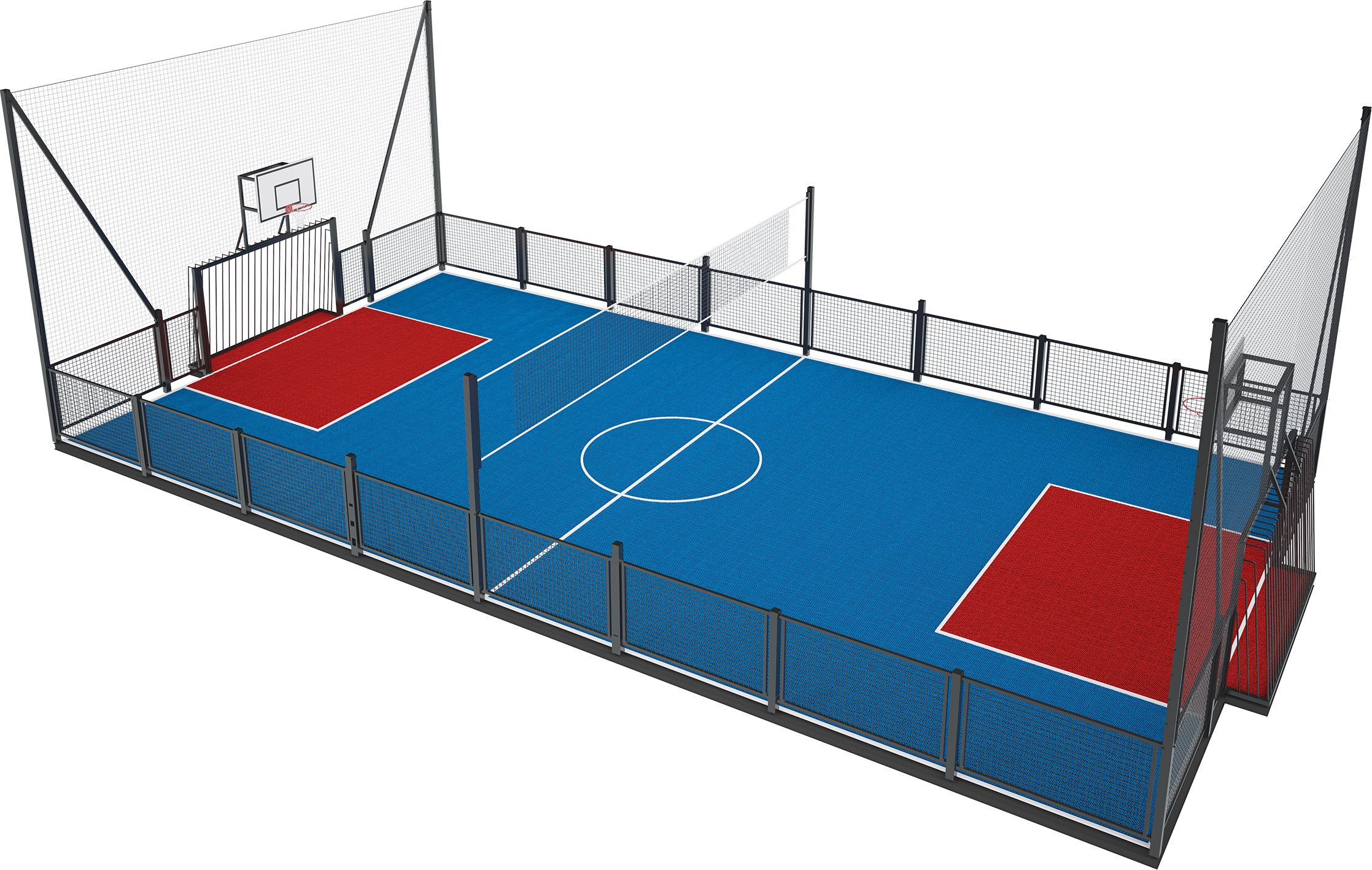
Piłkochwyt
Różne konfiguracje – siakówka, koszykówka, piłka nożna
Różne rodzaje nawierzchni – poliuretan, polipropylen, trawa syntetyczna
Nowość
Urządzenia produkujące energię elektryczną

- nowoczesny design
- ładowanie USB
- ładowanie indukcyjne
- możliwość wyboru dowolnej kolorystyki urządzeń (paleta RAL)
- urządzenia wykonane zgodnie z normą PN-EN 16630:2015
- produkt w 100% polskiej produkcji
- gwarancja szybkiej realizacji zamówienia
- urządzenia dostosowane do polskich warunków atmosferycznych
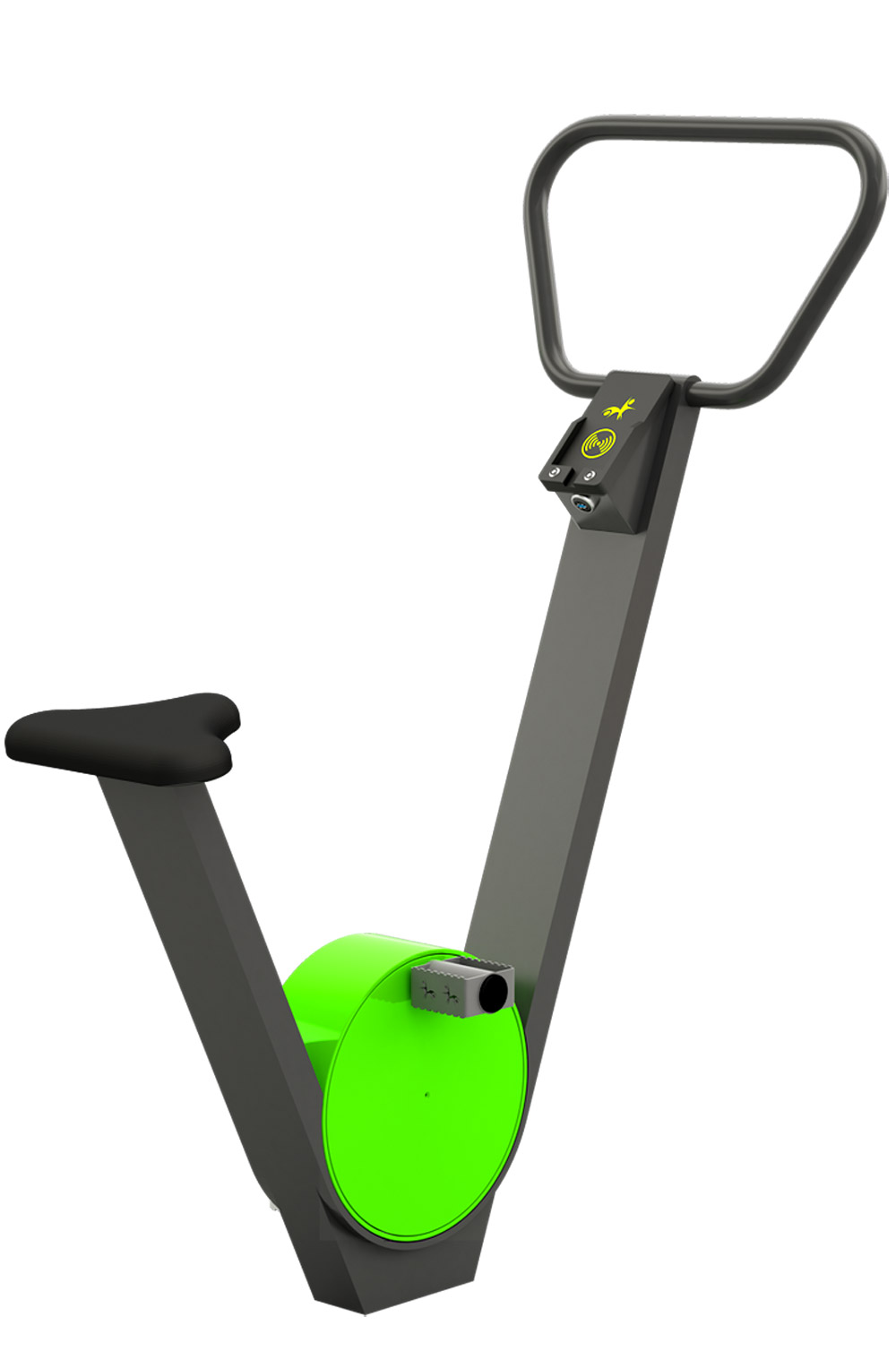
Ładowanie USB
Ładowanie indukcyjne
Nowość
Urządzenia dla dzieci

- urządzenia zaprojektowana specjalnie z myślą o dzieciach i dopasowane do wzrostu małych użytkowników
- możliwość wyboru dowolnej kolorystyki urządzeń (paleta RAL)
- urządzenia wykonane zgodnie z normą PN-EN 16630:2015 i PN-EN 1176:2009
- produkt w 100% polskiej produkcji
- gwarancja szybkiej realizacji zamówienia
- urządzenia dostosowane do polskich warunków atmosferycznych

Stopnice wykonane z tworzywa sztucznego
Redukcja siły elementów swobodnie opadających poprzez zastosowanie amortyzatorów umożliwiających przytrzaśnięcie, dodatkowo amortyzatory zabezpieczające przed nadmiernym wychyleniem elementów ruchomych
Gumowe rękojeści dla komfortu osób ćwiczących
Ciekawe, kolorowe wzory.
Nowość
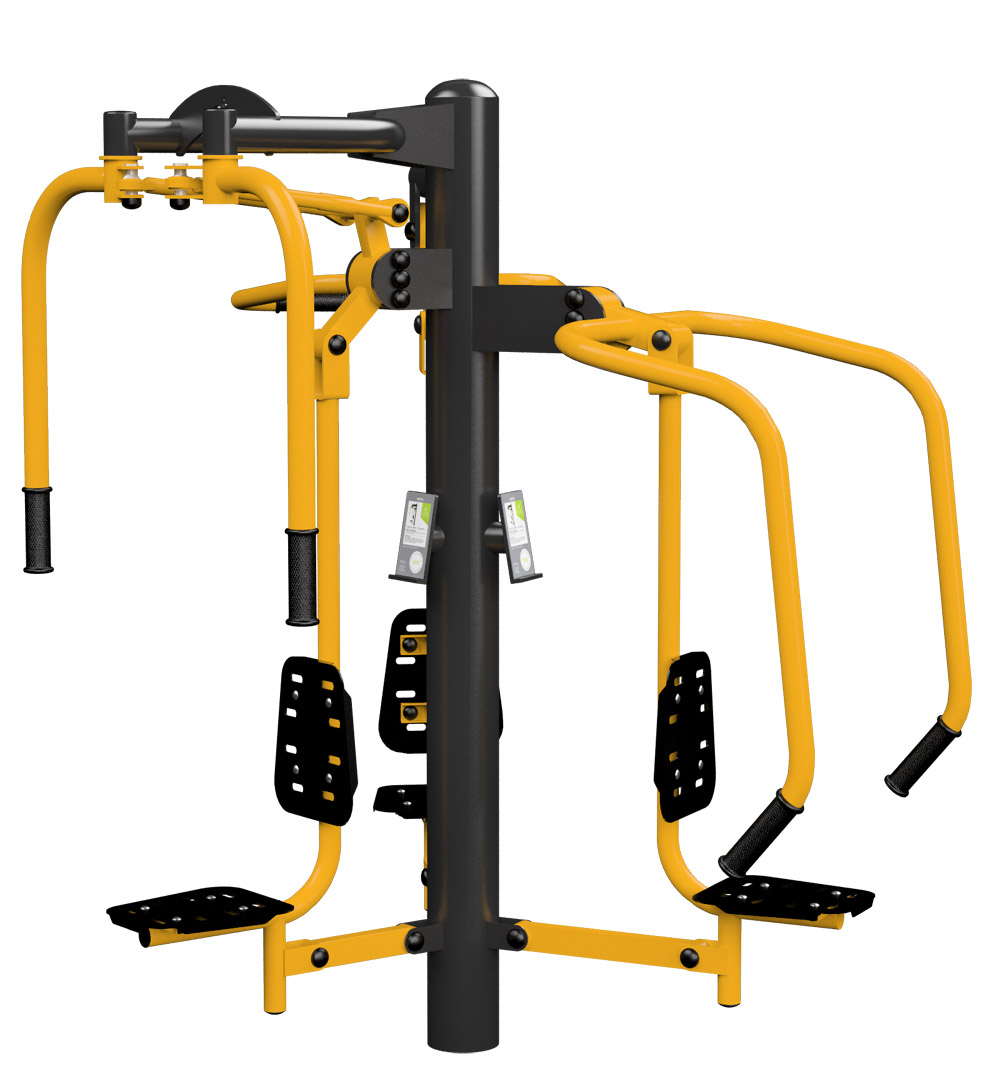
Urządzenia kompaktowe
- od 3 do 5 najpopularniejszych urządzeń połączonych w 1 zestaw
- urządzenia łatwe w samodzielnej obsłudze, zapewniają urozmaicony trening różnych grup mięśni
- oszczędność miejsca – urządzenia nie wymagają dużej strefy bezpiecznej
- możliwość wyboru dowolnej kolorystyki urządzeń (paleta RAL)
- bezpieczne urządzenia wykonane zgodnie z normą PN-EN 16630:2015
- produkt w 100% polskiej produkcji
- gwarancja szybkiej realizacji zamówienia
- zabezpieczenia antykorozyjne, dostosowane do polskich warunków atmosferycznych
Nowość
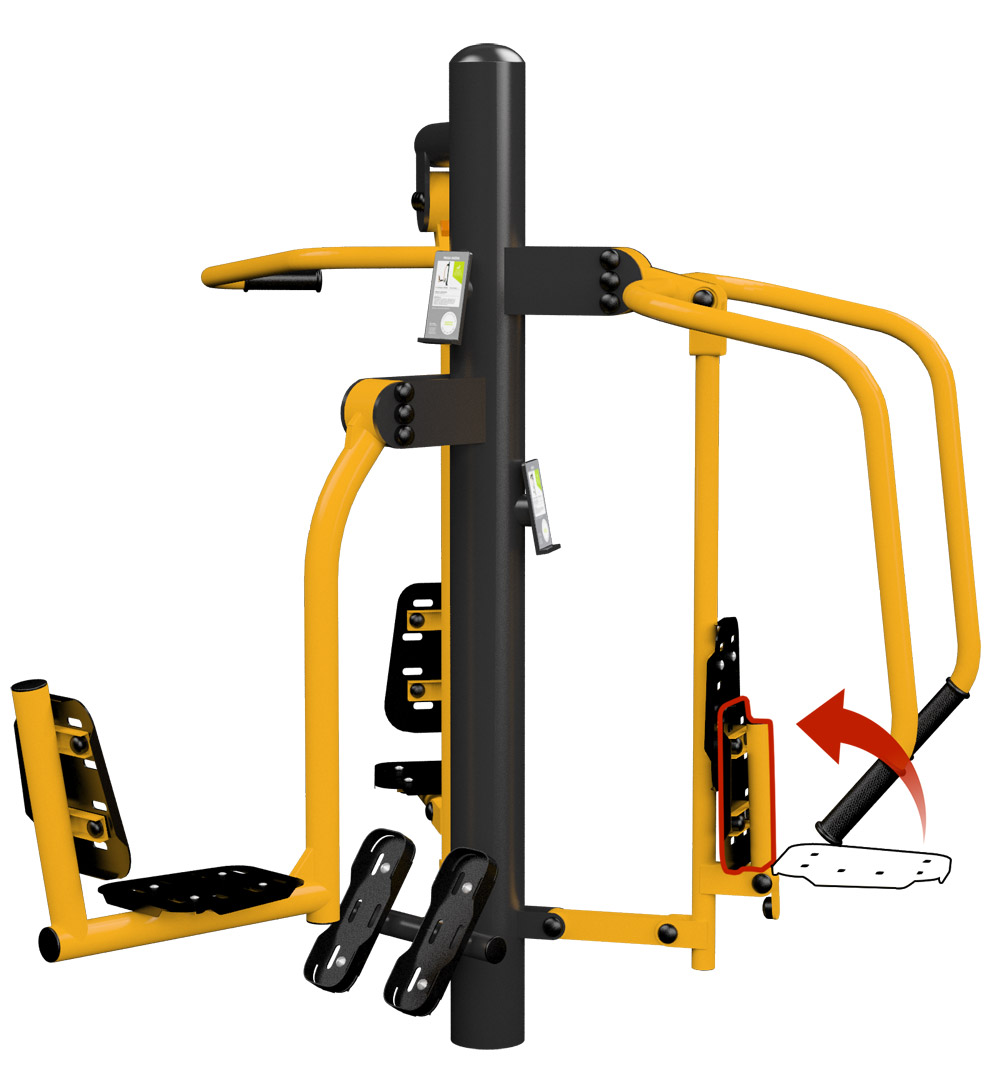
Urządzenia kompaktowe dla niepełnosprawnych
- zaprojektowane specjalnie dla osób z niepełnosprawnością ruchową
- urządzenia umożliwiające w bezpieczny sposób wykonywanie ćwiczeń rehabilitacyjnych czy relaksacyjnych na świeżym powietrzu
- 3 lub 5 najpopularniejszych urządzeń połączonych w 1 zestaw
- urządzenia łatwe w samodzielnej obsłudze, przystosowane dla osób także poruszających się na wózkach inwalidzkich
- oszczędność miejsca – urządzenia nie wymagają dużej strefy bezpiecznej
- możliwość wyboru dowolnej kolorystyki urządzeń (paleta RAL)
- urządzenia wykonane zgodnie z normą PN-EN 16630:2015
- produkt w 100% polskiej produkcji
- gwarancja szybkiej realizacji zamówienia
- urządzenia dostosowane do polskich warunków atmosferycznych
Nowość
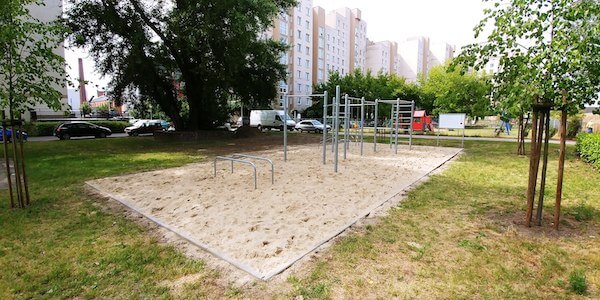
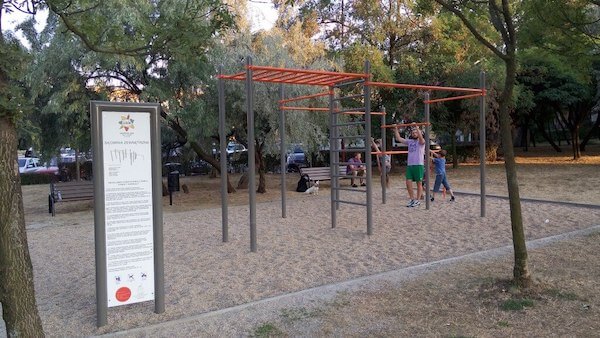
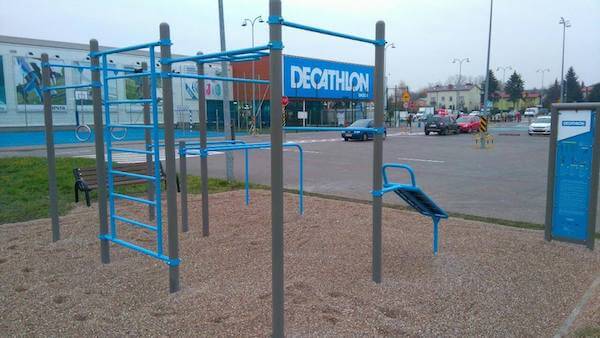
Urządzenia Workout

- zabawa dla całej rodziny!
- zestawy z wykorzystaniem prostych elementów tj. poręcze, drabinki, ławki czy liny
- zaprojektowane dla użytkowników o różnym poziomie zaawansowania
- łatwy montaż na niewielkiej przestrzeni
- zestawy spełniają europejskie norny bezpieczeństwa
- produkt w 100% polskiej produkcji
- gwarancja szybkiej realizacji zamówienia
- urządzenia dostosowane do polskich warunków atmosferycznych
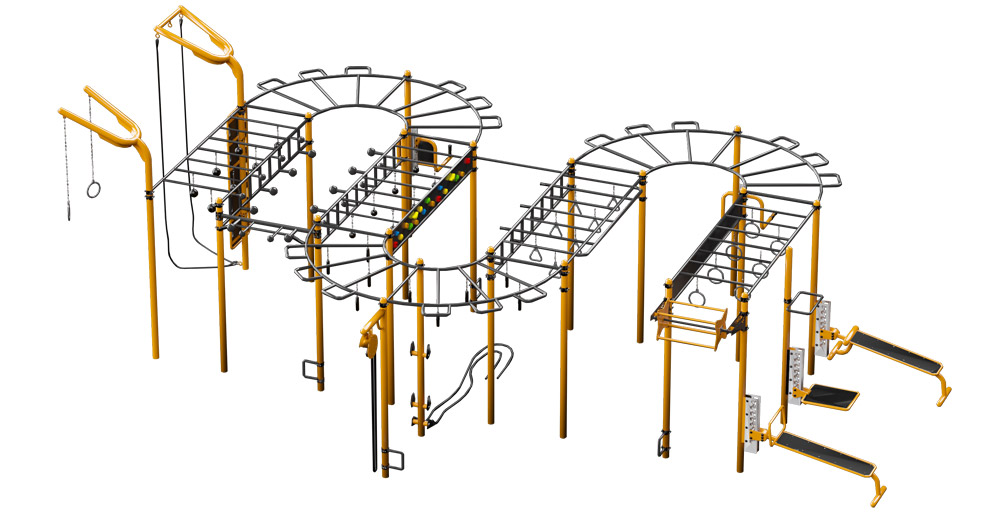
Gumowe rękojeści dla wygody ćwiczących.
Redukcja siły urządzęń elementów swobodnie opadajacych poprzez zastosowanie amortyzatorów umożliwiających przytrzaśnięcie.
Nowość
Urządzenia serii Multi

- 4, 6 lub 8 najpopularniejszych urządzeń połączonych w 1 zadaszony zestaw – QUATRO, HEXAGON i OCTAGON
- urządzenia dobrane zgodnie z preferancjami psób ćwiczących w zestawy – STANDARD, SIŁA lub SENIOR, dostosowane do różnych grup wiekowych, zapewniają urozmaicony trening różnych grup mięśni
- oszczędność miejsca – urządzenia nie wymagają dużej strefy bezpiecznej
- możliwość wyboru dowolnej kolorystyki urządzeń (paleta RAL)
- urządzenia wykonane zgodnie z normą PN-EN 16630:2015
- produkt w 100% polskiej produkcji
- gwarancja szybkiej realizacji zamówienia
- urządzenia dostosowane do polskich warunków atmosferycznych
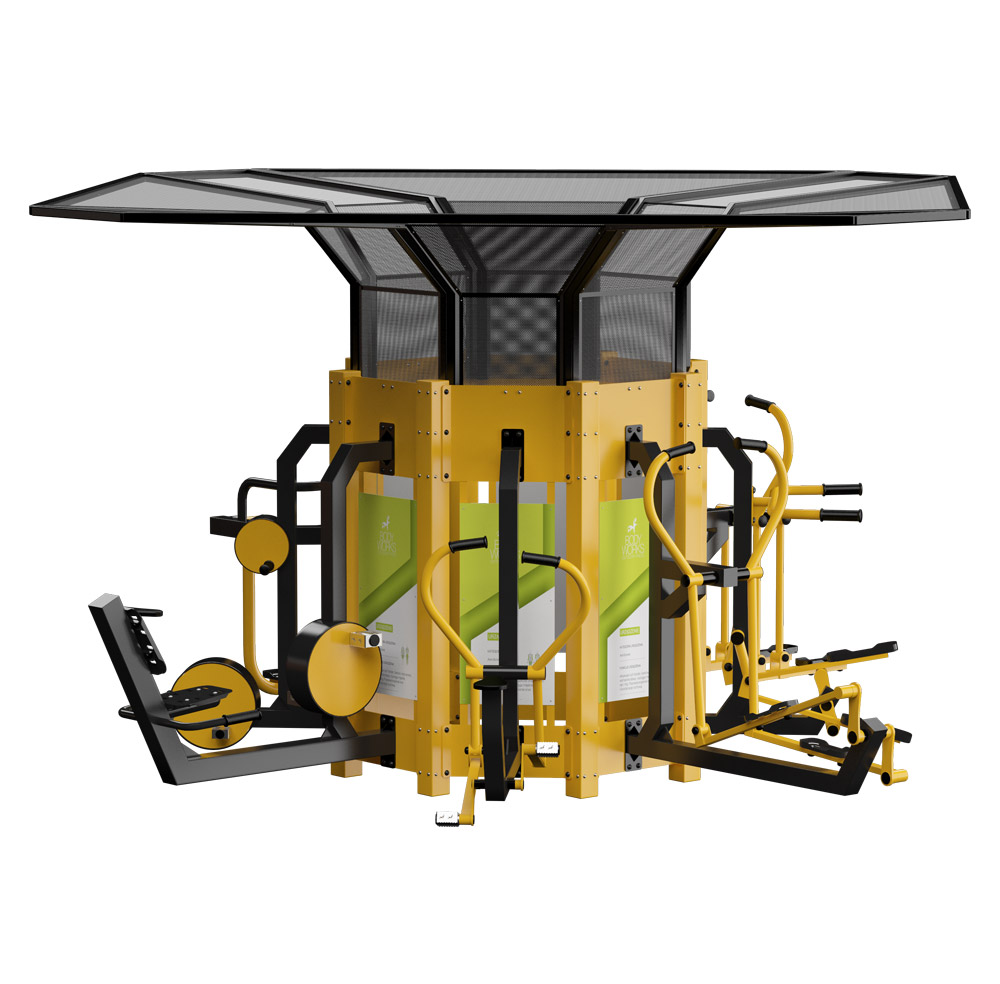
Gumowe rękojeści dla wygody ćwiczących.
Redukcja siły urządzęń elementów swobodnie opadajacych poprzez zastosowanie amortyzatorów umożliwiających przytrzaśnięcie.
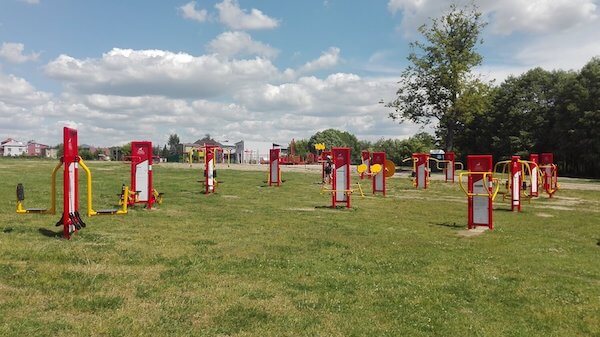
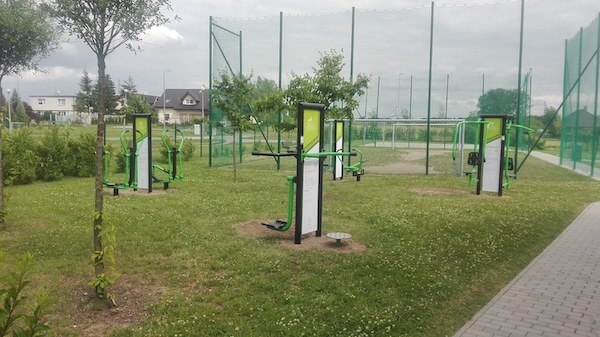

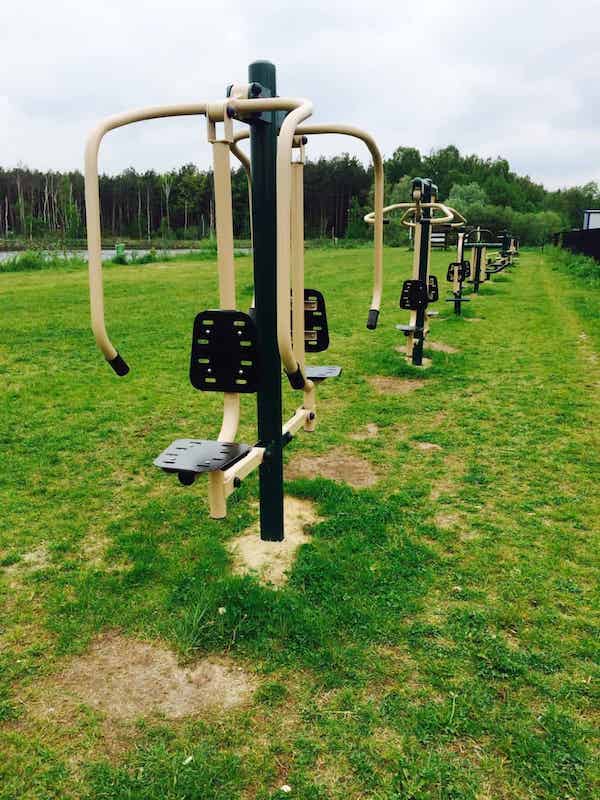

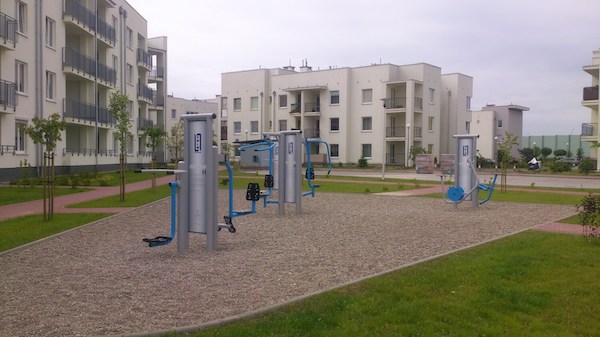
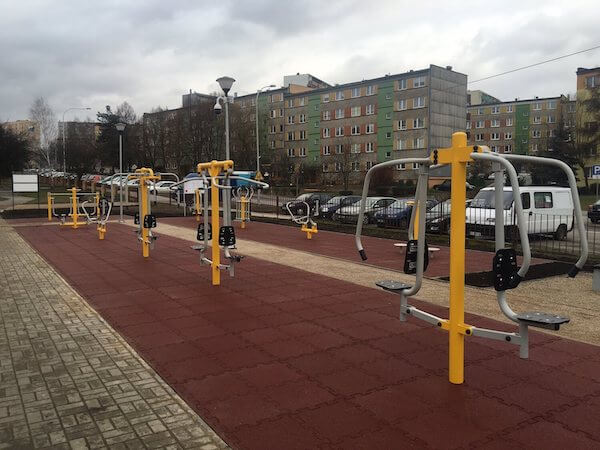
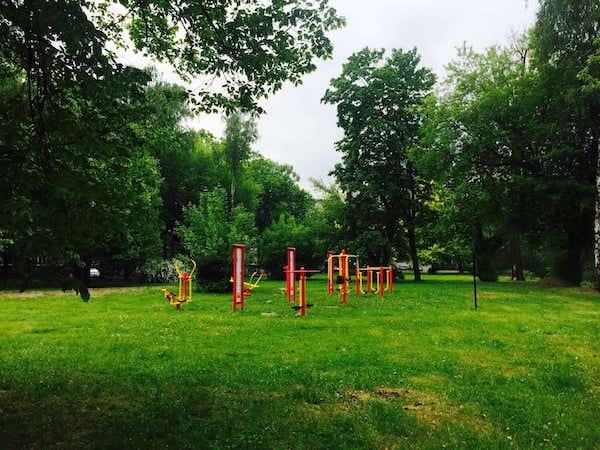





Jako producent, do każdego zamówienia podchodzimy indywidualnie i możemy sprostać wszelkim oczekiwaniom klienta.

PRODUKT W 100% POLSKI!
Nasze urządzenia są produkowane w Polsce, z najwyższej jakości polskich materiałów i podzespołów.

KRÓTKIE TERMINY REALIZACJI
Termin realizacji naszej siłowni zewnętrznej to 14 dni

DOWOLNY WARIANT KOLORYSTYCZNY
Zgodnie z paletą RAL i życzeniem klienta

TABLICE NA ŻYCZENIE
Tablice te mogą być wykorzystane przez właściciela lub administratora siłowni w dowolny sposób

BEZPIECZEŃSTWO PRZEDE WSZYSTKIM
Stosowane w naszych urządzeniach hamulce, odboje i ograniczniki znajdują się wewnątrz konstrukcji, co wyklucza ryzyko przytrzaśnięć kończyn lub zakleszczenia ćwiczącego.

WERSJA OCYNKOWANA
Tymczasem nasze przyrządy są poddawane cynkowaniu już jako gotowe, niewymagające dalszej obróbki konstrukcje.
POBIERZ KATALOG